Installation guidance · issued 14 August 2026 · illustrative
Constructing a cylindrical concrete base
A six-step record of a completed installation, offered to contractors as illustrative guidance for the construction of a cylindrical concrete base for outdoor sculpture.
Important
This guide illustrates a previously completed installation and is not a structural design or construction drawing. Final dimensions, reinforcement, concrete specification, anchoring, soil conditions, and construction methods must be determined for the specific site by the contractor and a licensed structural engineer.
Step 1 of 6
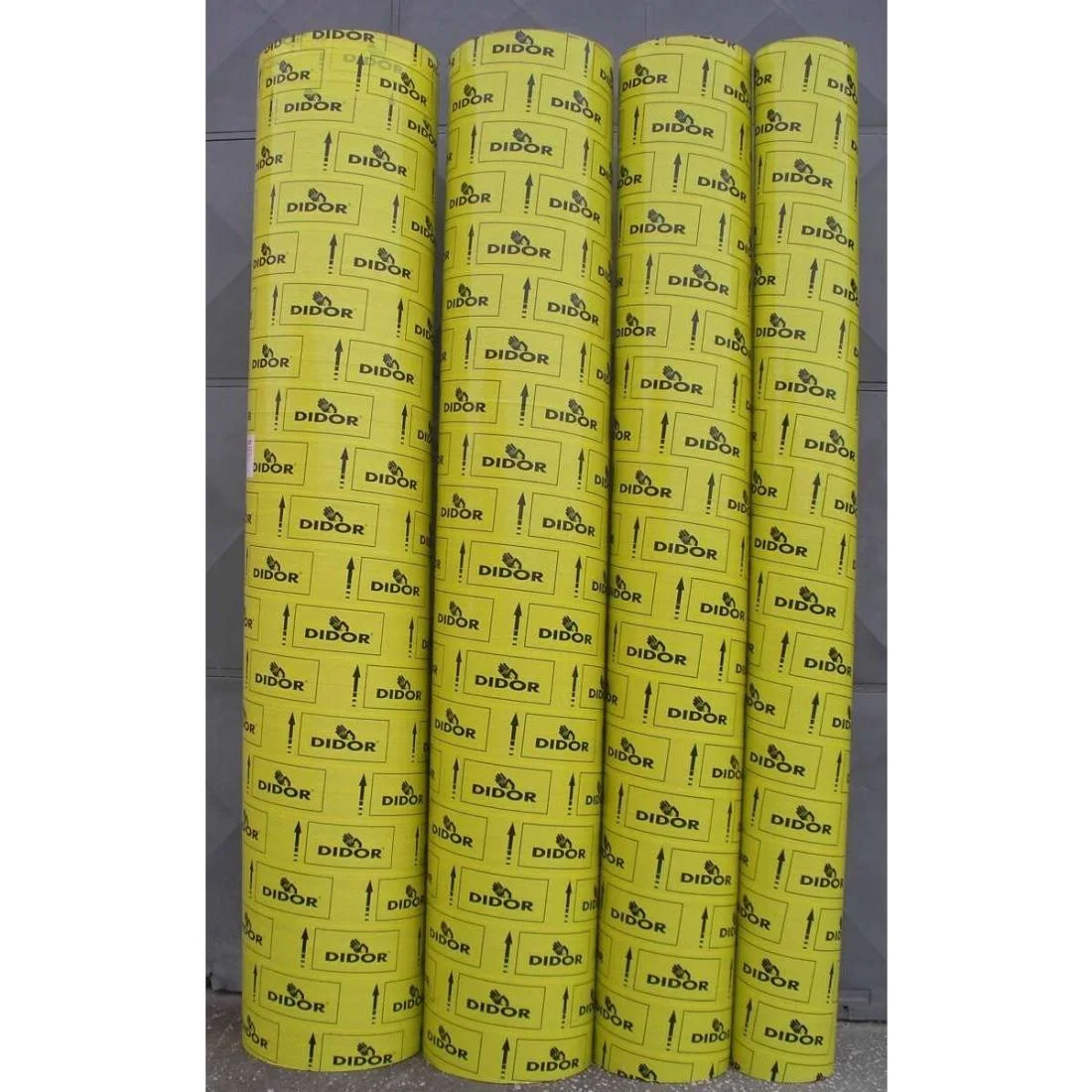
Purchase the formwork tube
- The cardboard formwork tube acts as the form for the concrete column.
- Confirm the required tube diameter with Petrides Public Sculpture. The diameter is project-specific; the stock length is less critical, as tubes are typically supplied in 3 m lengths and cut to the required length on site.
- Example suppliers in Greece: Palagkas.gr and Rammos.com.gr.
- Ask whether they carry a smooth-finish formwork tube, which reduces later finishing work. A comparable U.S. product is sold under the Sonotube brand.
Step 2 of 6
Excavate and place the reinforcement grid
- Confirm the exact location with Petrides Public Sculpture, in person or, if necessary, by video call.
- Confirm the tube diameter with Petrides Public Sculpture. Allow at least 20 cm beyond the outside of the tube on each side of the square footing, subject to confirmation by the engineer.
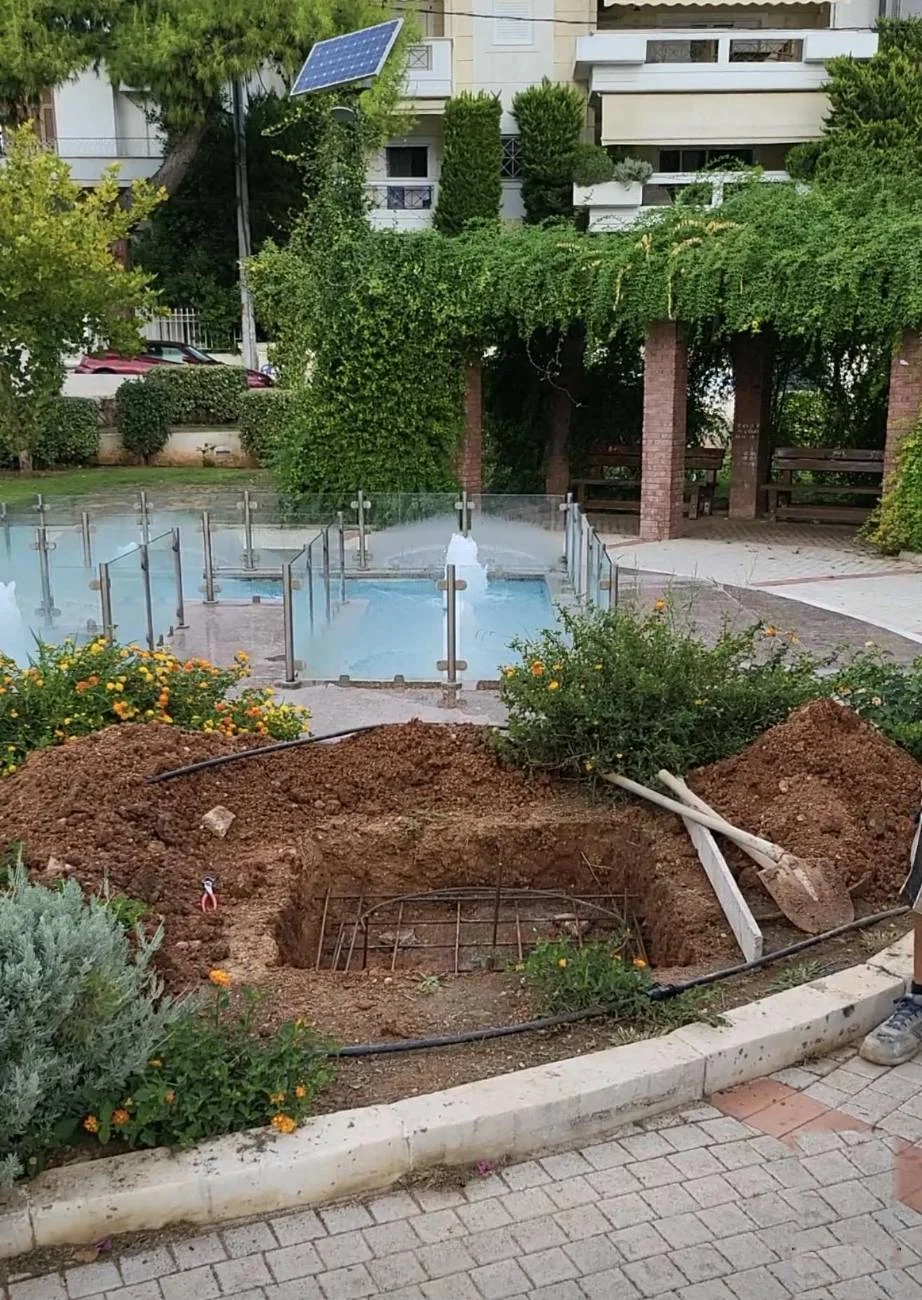
- Excavate a square area approximately 60–80 cm deep. This depth is indicative only and must be confirmed for the site conditions by the engineer.
- In the example shown, horizontal reinforcement bars were laid at the base of the excavation in a 20 × 20 cm grid. Final reinforcement spacing must be confirmed by the engineer.
- Ensure the footing is below finished grade so that, once landscaping is complete, only the cylinder is visible. The cylindrical-base height specified by Petrides Public Sculpture is measured from finished grade, not from the top of the footing.
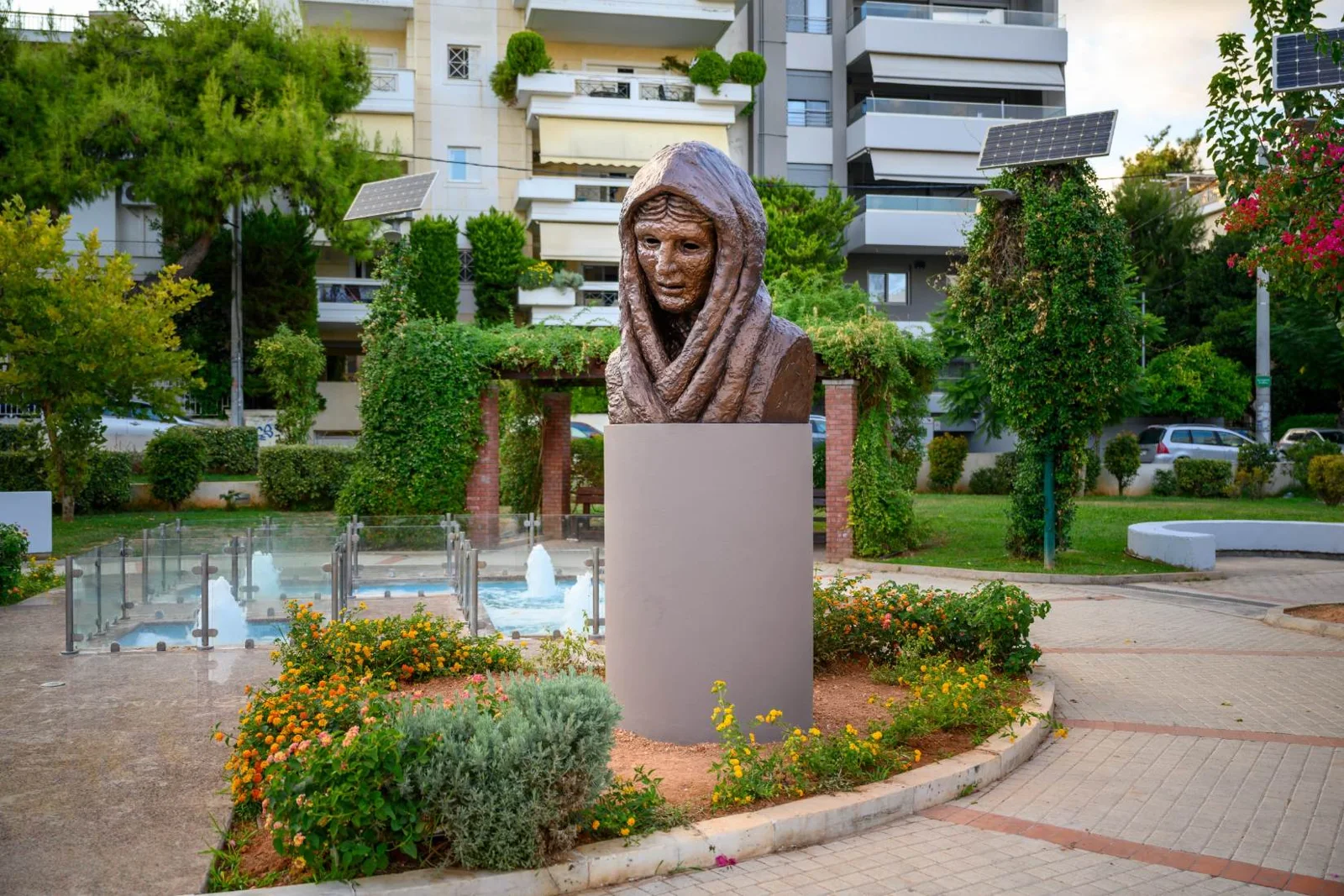
Location shown: Agiou Georgiou Square, Neo Psychiko, Athens.
Step 3 of 6
Set vertical reinforcement and pour the footing
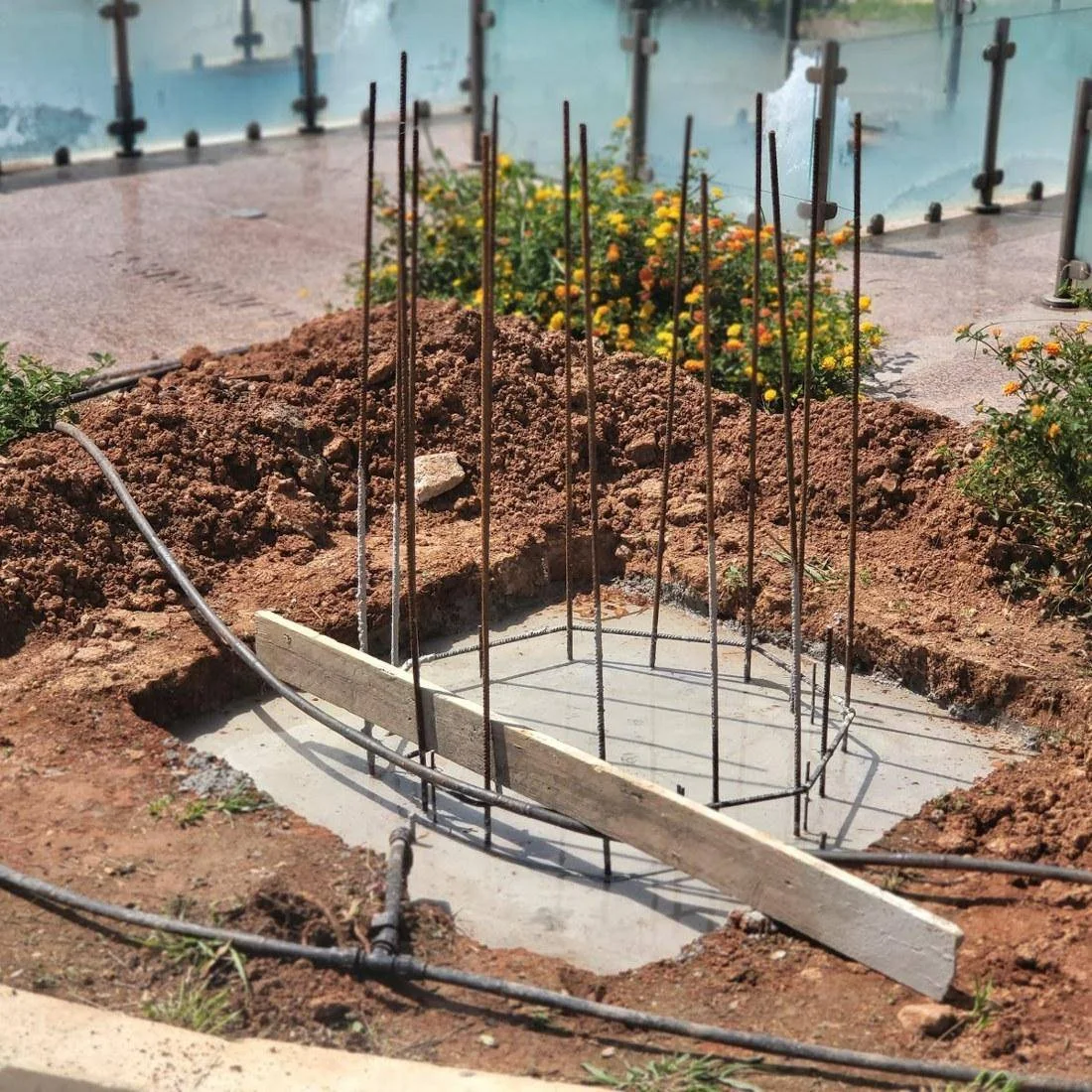
- In the example shown, approximately twelve vertical reinforcing bars were tied to the horizontal footing grid and projected to approximately the height specified for the exposed cylinder. Final reinforcement must be determined by the engineer.
- In the example shown, the vertical bars were positioned on a circle approximately 10–15 cm smaller in diameter than the formwork tube, keeping the reinforcement well within the finished concrete surface.
- Once the vertical reinforcement is in place, pour the footing and vibrate to eliminate air pockets.
Step 4 of 6
Position the formwork, brace, and pour
- Confirm with Petrides Public Sculpture the required exposed height of the tube above finished ground level. Some sculptures require an additional 10 cm or more of column height to extend into a recess in the underside of the sculpture; Refugee—Woman of Smyrna sat directly on top of the cylinder and did not require this.
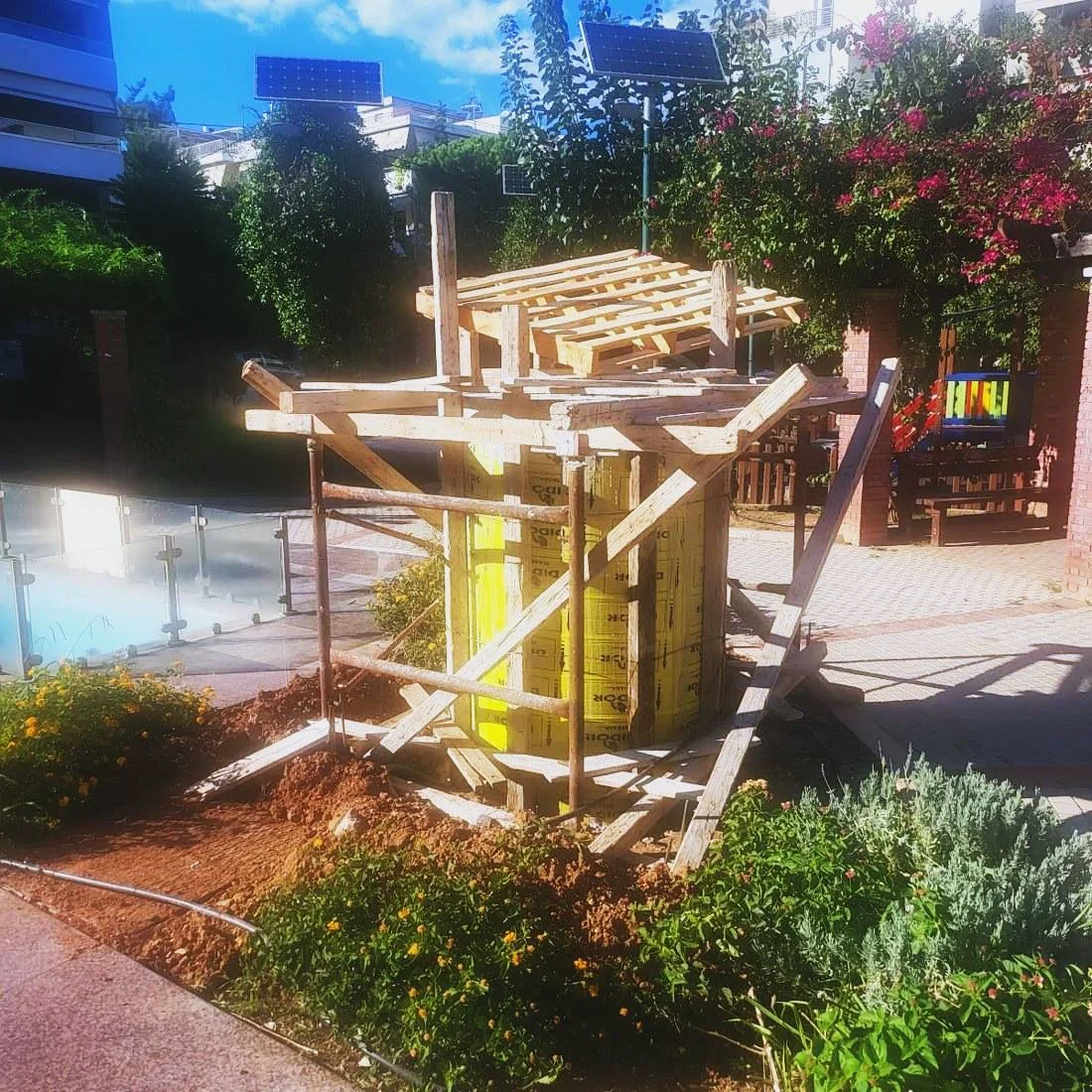
- Cut the tube to the required exposed height, plus the distance from the top of the footing to finished ground level, plus any additional height required for the sculpture attachment.
- Position the formwork tube vertically and brace it with timber supports.
- In some cases, threaded rods are set into the top of the cylinder. Confirm the anchoring detail with Petrides Public Sculpture, the contractor, and the engineer as applicable.
- Pour the concrete and vibrate thoroughly to eliminate air pockets.
- Allow the concrete to gain sufficient strength before stripping the formwork; timing and curing procedures are to be confirmed by the contractor and engineer.
Step 5 of 6
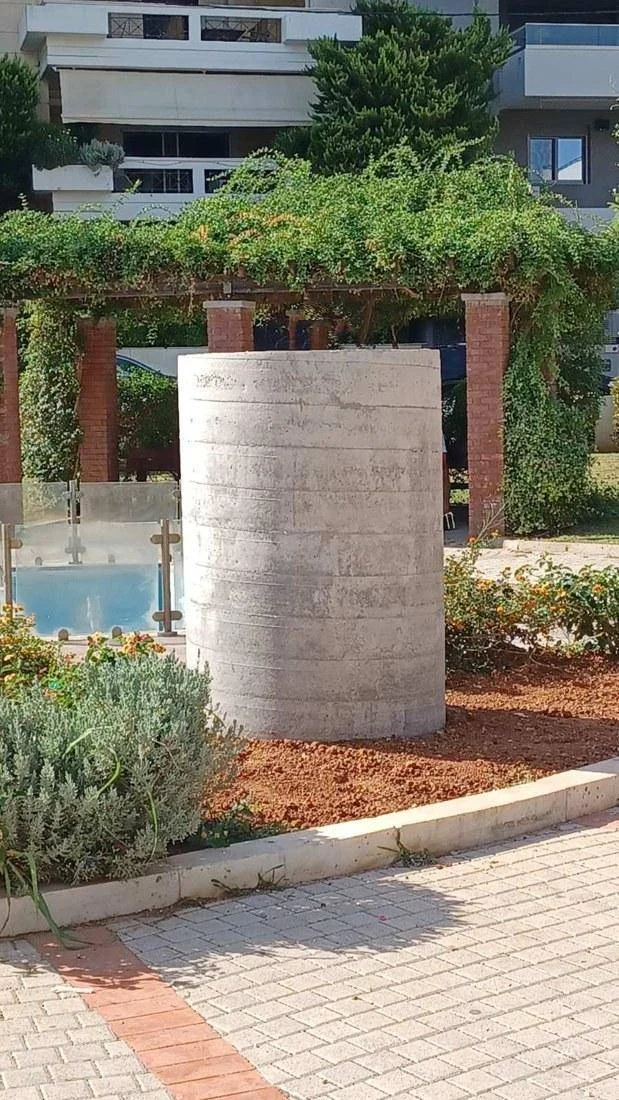
Strip formwork, finish, prime, and paint
- Remove the bracing and peel off the cardboard tube.
- A spiral seam may remain after the formwork is removed; this is normal and can be eliminated during finishing.
- Grind down the ridge left by the tube with an angle grinder and an abrasive disc.
- Use an appropriate exterior-grade filler to achieve a smooth surface, particularly where a smooth-finish formwork tube has not been used.
- Prime with a quality exterior primer, then apply several coats of exterior paint.
- Select a color visually sympathetic to the sculpture, in consultation with Petrides Public Sculpture. Avoid very light colors, which can visually detach the sculpture from the ground and show soiling more readily.
Step 6 of 6
Install the sculpture
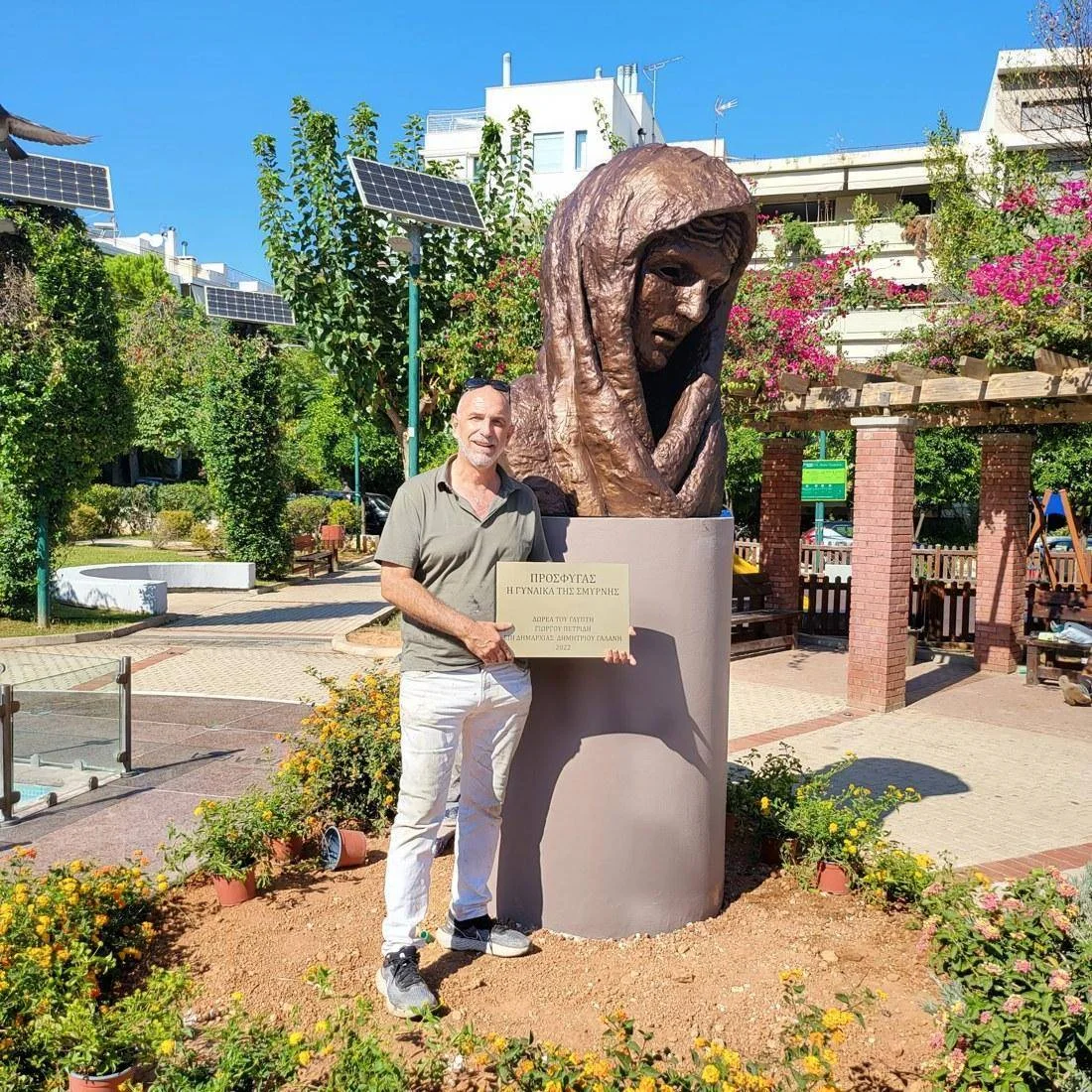
- Ideally, arrange for George Petrides to be present at installation to confirm the sculpture’s precise orientation relative to its surroundings.
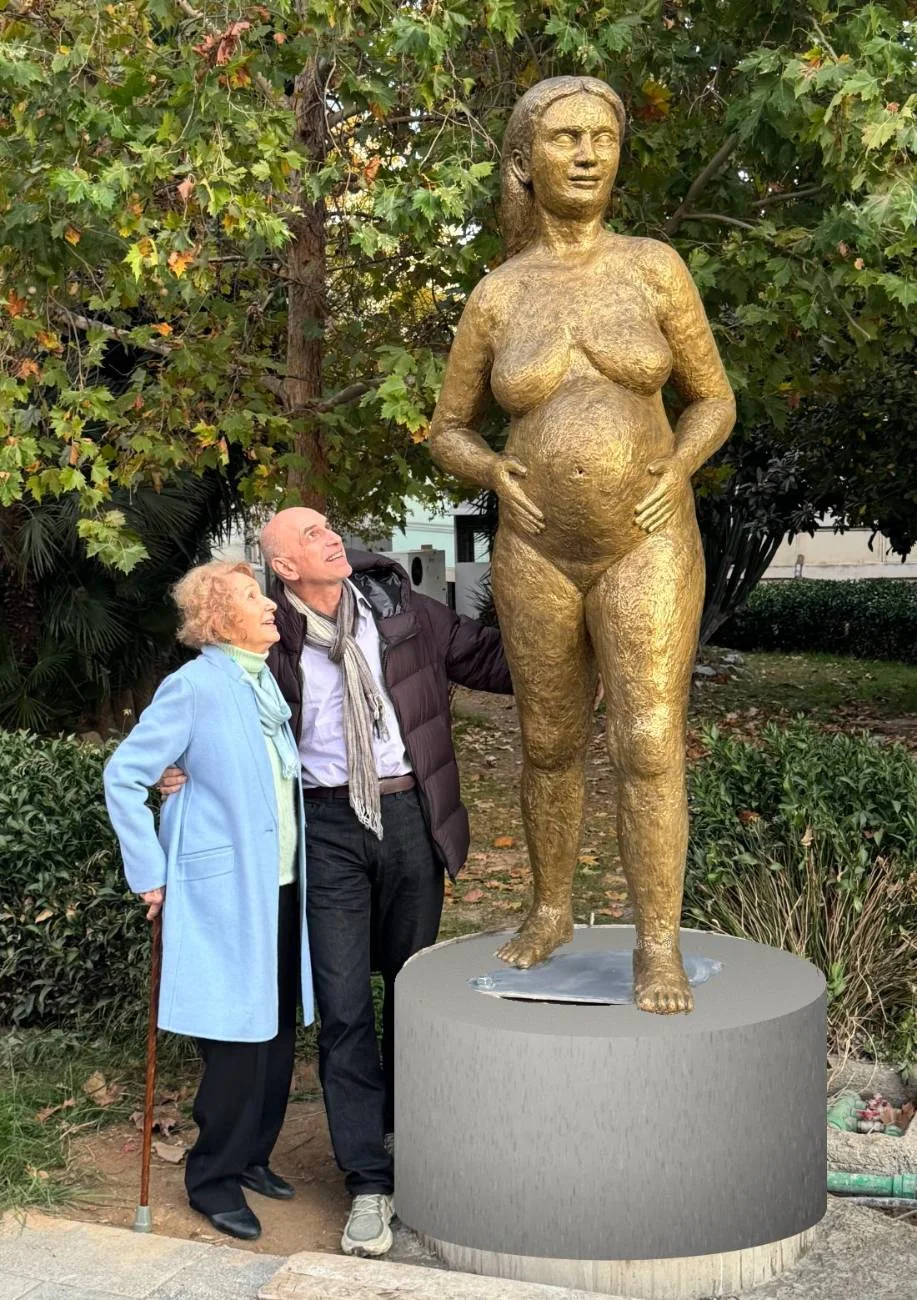
- For the example shown, the sculpture was lifted into position by two people; no crane was required.
- The final attachment method should be confirmed by Petrides Public Sculpture, the contractor, and, where structurally applicable, the engineer. Depending on the sculpture, options may include:
- A structural adhesive applied between the sculpture base and the top of the column, using a product approved by the contractor and engineer as applicable, in consultation with Petrides Public Sculpture.
- Where anchor rods have been incorporated, an engineer-approved two-part anchoring resin to secure the rods, with the material selected in consultation with Petrides Public Sculpture.
- Install the approved bronze plaque identifying the subject, artist, and year of the installation.
- Complete final site restoration around the base — soil, gravel, paving, or landscaping as applicable — and ensure that water does not pool around the column.
Other examples
Other cylindrical bases using similar methods